Getting an Intrauterine Device (IUD)
Getting an IUD at Columbia Health? Here’s what you need to know before, during, and after your appointment.
What is an intrauterine device (IUD)?
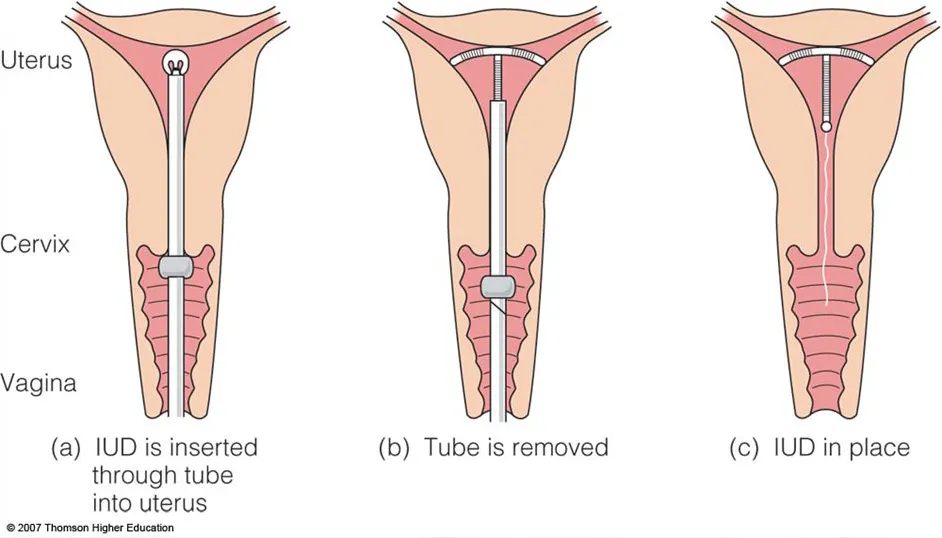
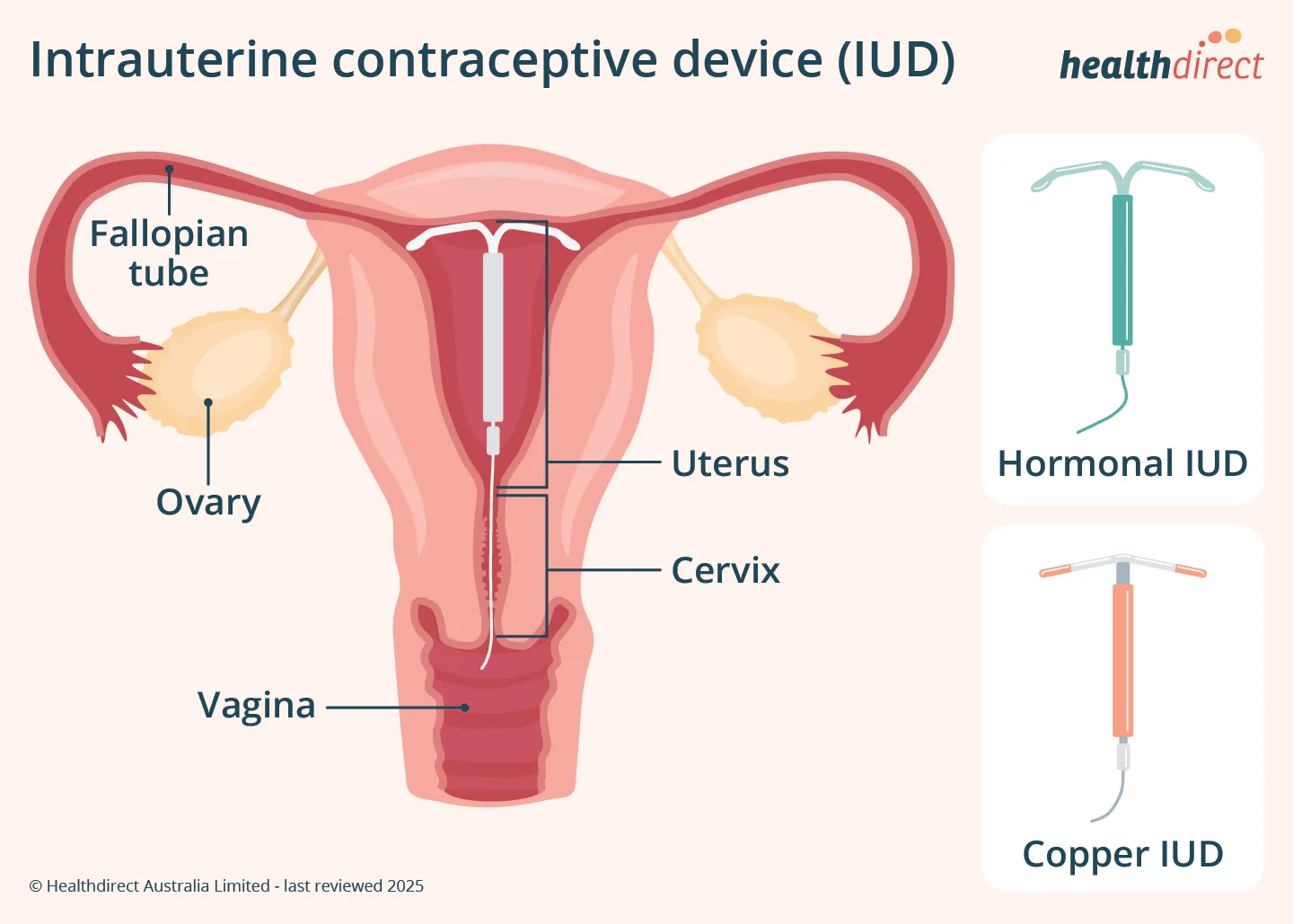
The IUD is a long-acting, reversible contraceptive method (LARC). It is a plastic, t-shaped device that is inserted by a healthcare provider into the uterus to prevent pregnancy. Medical Services offers three kinds of IUDs:
- Paragard: This is a copper IUD that has no hormones. The copper makes it difficult for sperm to get to an egg, preventing pregnancy. It is over 99% effective. It is FDA approved for 10 years (and data supports efficacy for up to 12 years). Most people will experience heavier, longer, or more painful periods in the first 6 months.
- Mirena: This is an IUD that contains hormones (progestin). It contains 52mg of levonorgestrel, a progestin, and releases about 20mcg per day. It prevents pregnancy by thickening the cervical mucus, making it difficult for sperm to reach an egg. It is over 99% effective and is FDA approved for up to 8 years. Most people will experience reduced menstrual bleeding or stop having their periods entirely while using it. It is FDA approved to reduce heavy menstrual bleeding for 5 years.
- Kyleena: This is another IUD that contains hormones (a lower dose of progestin than Mirena). It contains 19.5mg of levonorgestrel and releases about 17.5mcg per day. It also prevents pregnancy by thickening the cervical mucus, making it difficult for sperm to reach an egg. It is over 99% effective and is FDA approved for up to 5 years. Most people will experienced reduced menstrual bleeding while using it, but it is less common to stop having periods entirely.
Before Your Insertion Visit
- Before your IUD insertion visit with a medical provider, you can attend an in-person or virtual LARC Visit (part of Alice!’s Sexual & Reproductive Health Visits) with a GHAP Advocate to learn more, look at a model IUD, and talk about the insertion process. Schedule a LARC Visit by filling out the LARC Intake Form.
- How much will it cost?
- Columbia Student Health Insurance (Aetna): Getting an IUD is FREE!
- Private insurance: you will pay upfront at your insertion visit (~$1000) then ask your insurance provider to reimburse you. You can contact your insurance plan for a specific estimate of the expected upfront cost.
- Removal: Removal is free for those who have paid the full-time Health and Related Services Fee, regardless of your insurance status.
- During your LARC Visit, a staff member can schedule you for an Insertion Visit at Medical Services to have the IUD inserted, should you wish.
- If you are currently using hormonal contraception (like the pill, patch, or ring), keep using it until your IUD is inserted, and ask your provider/advocate about using it as your backup method for up to 7 days after insertion (see “During and After Insertion” below). If you are NOT using hormonal contraception, continue using condoms and ensure that they are being used correctly until 7 days after insertion.
The Day of Your Insertion Visit
- 1 hour before your appointment please take 800 mg of Ibuprofen (e.g. Advil or Motrin) or 500-1000 mg of Acetaminophen/Paracetamol (e.g. Tylenol) with a meal to decrease discomfort during/after the insertion.
- Arrive 20 minutes early with a full bladder for a pregnancy test, as the IUD cannot be inserted if you are pregnant.
- You will be provided with a pad after your appointment, but you may bring your own preferred brand or wear period underwear (no tampons) for bleeding.
During and After Insertion
The appointment will last about 30 minutes, and the insertion lasts about 10 minutes.
- You will put your feet up in footrests, and your provider will use a speculum to be able to view your cervix, much like a pelvic exam or Pap test. Your provider will: 1) hold the cervix in place, 2) measure your uterus, and 3) insert the IUD.
- The provider may also perform a routine STI (sexually transmitted infection) screening for Gonorrhea and Chlamydia to ensure the insertion is as safe as possible. The results come back a few days later, and if an infection is found, antibiotics will be prescribed. If it’s time for your 3- or 5-year Pap test, this can also be done before insertion.
- Pain or discomfort is common during insertion, including a feeling like menstrual cramps, which usually subsides shortly after the insertion is done. You will get a disposable heating pad to put on your abdomen during the appointment to help reduce this cramping, and you can stay and rest afterwards until you feel ready to leave.
Important Reminders and Recovery
- What to avoid: It’s advised not to put anything in your vagina for 24-48 hours after insertion (no tampons or penetrative sexual intercourse).
- Bleeding: There will be some bleeding (like being on your period) in the day or two after insertion, so a heavy-flow pad will be provided. You are also allowed to bring your own pad or wear period underwear on the day of your insertion.
- Backup Method: For hormonal IUDs (Mirena and Kyleena), you should use a backup method (condoms, pill, patch, ring) for 7 days after insertion. The copper IUD (Paragard) is effective immediately.
- Follow-up: You should schedule a follow-up appointment with your provider about 4-6 weeks after insertion for a thread check and general check-in.
- Checking your strings: In the first few months, you can periodically check to feel the IUD strings emerging from your cervix. If the strings feel significantly longer, or you feel a knot or anything rigid, contact your provider right away and use backup birth control in the meantime. If you have questions about how and when to check IUD strings, ask a medical provider.
- Removal: To have the IUD removed, contact Medical Services (212-854-7426). The provider will gently pull on the IUD strings, allowing the device to slip out. Natural fertility returns quickly -- ovulation can occur within 5 days once the IUD is removed, and fertility typically returns to normal within 1 month.